

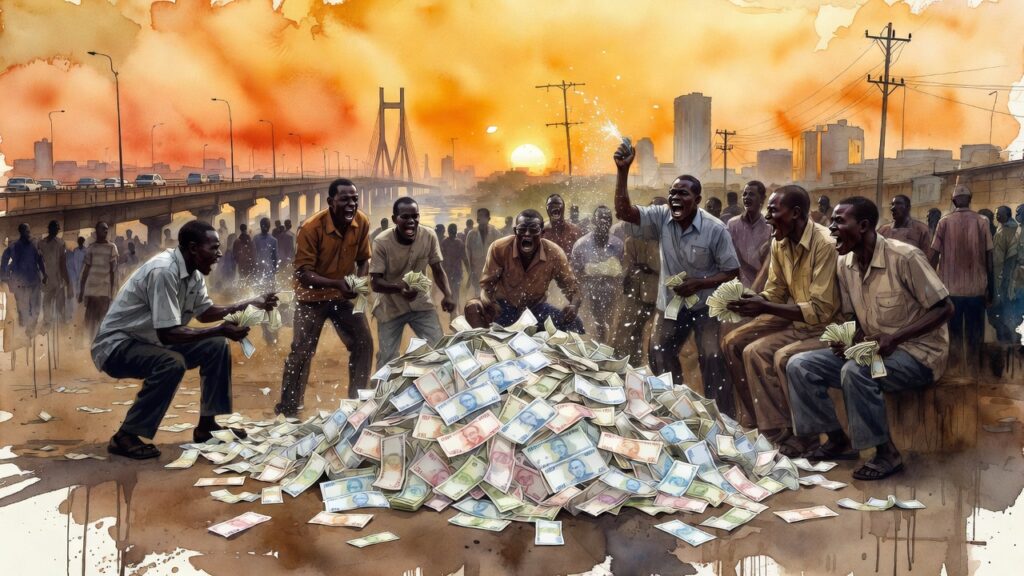
On Valentine’s Day, Lizzy wanted to be romantic in a way her boyfriend would never forget. Instead of boxers and singlet, she purchased mint naira notes. Lizzy folded them into the shape of flower petals, and presented a colourful naira cash bouquet. Her boyfriend laughed until a neighbour jokingly warned her that she could end up in jail for it because it was naira abuse. At first, she dismissed it as mere scare-tactic humour, but the warning wasn’t unfounded.
Just days before Valentine’s Day 2026, the Central Bank of Nigeria (CBN) issued a clear public reminder that decorative arrangements of naira notes including money bouquets, cash towers, money cakes, and similar gifts are illegal and amount to naira abuse under Section 21 of the CBN Act.[1]
The reminder came with warnings of imprisonment, fines, and prosecution by enforcement agencies if citizens continued such practices under the guise of cultural celebration or affection.
This article analyses the legal implications of the CBN’s update, explores the statutory basis of currency abuse offences under the CBN Act. It also examines how the law has been applied in practice, and considers the broader implications for public conduct and enforcement in Nigeria.
1. The Statutory Basis for Naira Protection from Naira Abuse
1.1 The Central Bank of Nigeria Act, 2007 (as amended)
The CBN Act confers on the CBN the exclusive authority to issue, regulate and protect the national currency (the naira). Section 21(1) of the Act makes it an offence for any person who tampers with, mutilates, defaces, or otherwise abuses bank notes and coins issued by the Bank and prescribes penalties for such conduct.
Section 21(3) further clarifies that:
“Spraying of, dancing or matching on the Naira or any note issued by the Bank during social occasions or otherwise howsoever shall constitute an abuse and defacing of the Naira or such note and shall be punishable…”
Similarly, Section 21(4) makes the following an offence: hawking, selling or otherwise trading in naira notes, coins or notes issued by the Bank, reflecting the broad scope of conduct considered harmful to currency integrity.[2]
These provisions demonstrate that acts which distort the function and dignity of Nigeria’s legal tender including decorative manipulation can constitute criminal offences under the Act.
2. What Constitutes “Naira Abuse”?
2.1 Examples Listed by CBN
The CBN’s guidance on banknote handling practices lists a range of conduct that may constitute naira abuse. These include: spraying or throwing naira notes at social events; folding, crumpling, stapling, or pinning notes to create decorative items; selling or trading currency outside authorised channels; writing, defacing, mutilating or unnecessarily soiling notes. Specifically, money bouquets, money towers, money cakes, and other decorative arrangements where naira notes are folded and used like a symbol or ornament have been explicitly identified as abusive conduct.
2.2 CBN’s Enforcement Position
The CBN has emphasised that cultural or celebratory trends such as gifting money bouquets on Valentine’s Day, birthdays, weddings, or other social occasions do not override the legal prohibition against naira abuse. The law treats decorative use of banknotes as a form of tampering that undermines the currency’s function as legal tender and its physical integrity.
3. Penalties and Enforcement for Naira Abuse
3.1 Imprisonment and Fines
Under Section 21(1) of the CBN Act, a person convicted of tampering with or abusing naira notes faces a minimum term of six months imprisonment, a fine of not less than ₦50,000, or both penalties.
The CBN’s reminder ahead of Valentine’s Day reiterated that money bouquets and similar currency designs fall within this offence and are subject to enforcement actions.
3.2 Inter-Agency Enforcement
The CBN has stated that enforcement will be in collaboration with law enforcement and regulatory bodies including: the Economic and Financial Crimes Commission (EFCC); the Nigeria Police Force (NPF); the Independent Corrupt Practices and Other Related Offences Commission (ICPC); and the Nigerian Financial Intelligence Unit (NFIU).
READ ALSO: Essential Land Documents
4. Legal Rationale Behind Currency Abuse Provisions
4.1 Preservation of Legal Tender Integrity
National currencies are designed to function as legal tender a medium of exchange and store of value, backed by the state. Activities that deface, mutilate, or distort currency notes undermine their acceptability, recognisability, and physical durability. The CBN Act’s currency abuse provisions reflect a public interest safeguard to preserve the efficacy and dignity of the naira.
4.2 Preventing Misuse That Causes Economic Costs
Mutilated or defaced notes must be withdrawn and replaced, often at public expense. Practices like spraying, folding or stapling notes for decorative purposes contribute to damage that requires costly reissuance and logistical handling. The legal restrictions aim to minimise such unnecessary wear and tear on the currency stock.
5. Broader Legal and Social Implications
5.1 Right to Culture vs. Legal Tender Protection
Some cultural observers argue that using money creatively at ceremonies is part of social expression. However, the law draws a line where such conduct interferes with the function and integrity of legal tender. Unlike private property, currency notes have public character and societal importance which justifies legal restrictions on how they are used.
5.2 Public Awareness and Education
Beyond criminal sanctions, the CBN’s campaign emphasises the importance of public education about responsible banknote handling. The apex bank encourages the use of electronic payment channels, envelopes, or symbolic gifts that do not physically tamper with notes all lawful ways to give money without violating the law.
6. Comparative and Practice Insights
While direct judicial cases specifically captioned “money bouquet” have not yet been reported at Nigeria’s high courts, the practical enforcement landscape is evolving in convictions for naira abuse. Additionally, social media excerpts and news reports reflect that courts have treated acts like spraying, folding or stepping on notes as recognisable offences under Section 21(3) of the CBN Act.
There is also ongoing legislative interest in strengthening penalties for currency abuse. For instance, a bill introduced in the National Assembly proposes increasing minimum fines for naira abuse, illustrating recognition of the problem’s seriousness from a policy standpoint.
Final Thoughts
The CBN’s update reminding Nigerians that naira bouquets are illegal and constitute Naira abuse reflects enforcement of long-standing legal provisions under the Central Bank of Nigeria Act, 2007 (as amended). Section 21 of the Act criminalises acts that mutilate, deface, or misuse the naira, with penalties that include imprisonment and fines.
As Valentine’s Day was over the weekend, and other celebratory occasions approach, the CBN’s message has been clear: cultural trends or affectionate gestures do not excuse transactions that undermine the integrity and legal function of Nigeria’s currency. Citizens should therefore exercise caution, opt for lawful ways of giving money, and respect the legal tender as a symbol of national pride and economic stability.
[1] Central Bank of Nigeria Act, 2007 (as amended).
[2] Section 21(1), (3) and (4) of the Central Bank of Nigeria Act 2007 (as amended) criminalises tampering with, abusing, and trading in naira notes and coins.
Contributors

Lead Partner, EKO SOLICITORS & ADVOCATES

Bessie Obort Ofuka
Graduate Trainee, EKO SOLICITORS & ADVOCATES

Graduate Trainee, EKO SOLICITORS & ADVOCATES